
Intro post:
When your girlfriend suddenly feels distant, cold, or uninterested, it’s natural to wonder: Does she hate me?
In reality, relationships rarely shift overnight. Emotional distance usually develops gradually due to misunderstandings, unresolved conflicts, or unmet emotional needs.
Understanding what’s really happening can help you respond wisely instead of reacting emotionally.
1. Emotional Withdrawal Is Often the First Warning Sign
One of the clearest signs of relationship trouble is when a partner starts withdrawing from conversations or shared activities. People may avoid interaction, stop engaging emotionally, or create distance rather than addressing issues directly.
Avoidance can create “silence where connection should grow,” leading to emotional stagnation instead of resolution.
This doesn’t always mean hate — sometimes it signals frustration, exhaustion, or feeling unheard.
2. Communication Breakdowns Create Doubt on Both Sides
When communication weakens, both partners may feel insecure about where they stand. Lack of clarity can increase anxiety and misunderstanding, causing each person to question the relationship’s future.
You may interpret her silence as rejection, while she may feel unsure how to express herself.
3. Repeatedly Canceling Plans or Ignoring Affection Can Signal Disengagement
Occasionally canceling plans is normal. But when it becomes a pattern — especially combined with emotional distance — it may indicate declining interest or emotional investment.
Similarly, reduced responsiveness to affection is often a sign someone is pulling away emotionally.
4. Constant Criticism or Picking Fights May Reflect Deeper Issues
When small things suddenly trigger arguments, it can signal unresolved resentment or emotional leakage rather than true anger about those issues.
Relationship experts identify patterns like criticism, defensiveness, contempt, and emotional shutdown as major indicators of serious relationship strain.
These behaviors damage emotional safety over time.
5. Toxic Patterns Can Replace Healthy Connection
Unhealthy relationships often include excessive criticism, mistrust, emotional manipulation, or controlling behavior — dynamics that can leave one partner feeling drained rather than supported.
Healthy relationships should feel safe, respectful, and mutually supportive — not confusing or exhausting.
6. Pulling Away Without Explanation Can Create Pain for Both Partners
When distance replaces open discussion, loneliness and resentment often grow on both sides. Instead of solving problems, emotional avoidance can push couples further apart.
In many cases, neither partner hates the other — they simply don’t know how to reconnect.
So… Does She Actually Hate You?
In most situations, the answer is no.
What looks like hate is usually:
- Unspoken frustration
- Emotional burnout
- Feeling unappreciated
- Fear of conflict
- Loss of connection
- Personal stress unrelated to you
True hatred is rare. Emotional disconnection is far more common — and often fixable.
What You Should Do Instead of Overthinking
1. Stop Guessing — Start Asking
Calm, honest communication is the fastest way to understand what’s wrong. Avoid accusations like “You don’t care anymore.”
Try:
“I feel like we’ve been distant lately. Can we talk about what’s going on?”
2. Don’t Chase or Pressure Her
Constant questioning or emotional pressure can make someone withdraw even more. Give space while staying emotionally available.
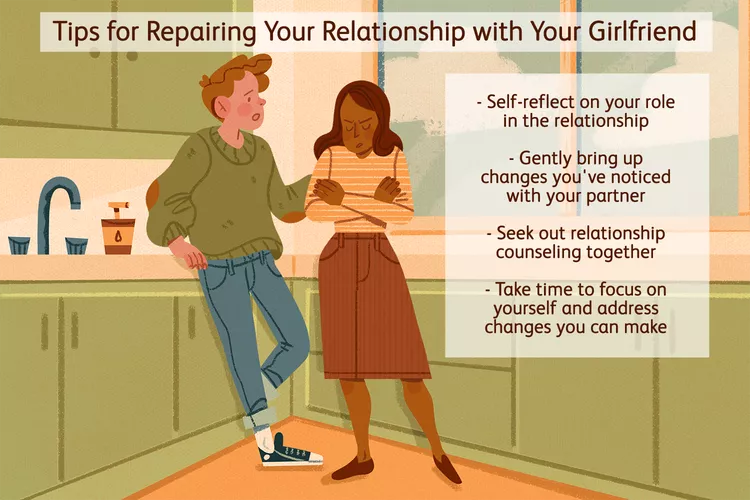
3. Look at Your Own Behavior Honestly
Ask yourself:
- Have I been dismissive or distracted?
- Did we stop spending quality time together?
- Have we avoided difficult conversations?
Self-awareness rebuilds trust faster than blame.
4. Focus on Reconnection, Not Winning Arguments
Small actions matter more than big speeches:
- Spend relaxed time together
- Listen without defending yourself
- Show appreciation again
5. If Patterns Continue, Address Them Directly
Long-term criticism, avoidance, or disrespect shouldn’t be ignored. Healthy relationships require mutual effort.
Final Thoughts
Feeling like your girlfriend hates you can be painful — but in most cases, it’s a sign of emotional distance, not emotional rejection.
Relationships weaken when communication stops, not when love disappears.
If both partners are willing to talk, listen, and adjust, many relationships can recover stronger than before.


