
Intro post:
Have you ever wondered, “Why do I feel like something is wrong with me?” If so, you’re not alone. Many people experience this common question at some point in life — especially during stressful, confusing, or difficult times. It doesn’t automatically mean there’s something deeply wrong with you as a person. Often, it’s your mind trying to make sense of what you’re feeling.
This article explains why this thought comes up, what might be causing it, and helpful steps you can take to start feeling better.
⭐ Why Do We Ask “What’s Wrong With Me?”
This question often comes from emotional distress rather than an actual flaw inside you. It’s usually a sign that you’re overwhelmed, confused, or struggling with something in your life. Some common reasons include:
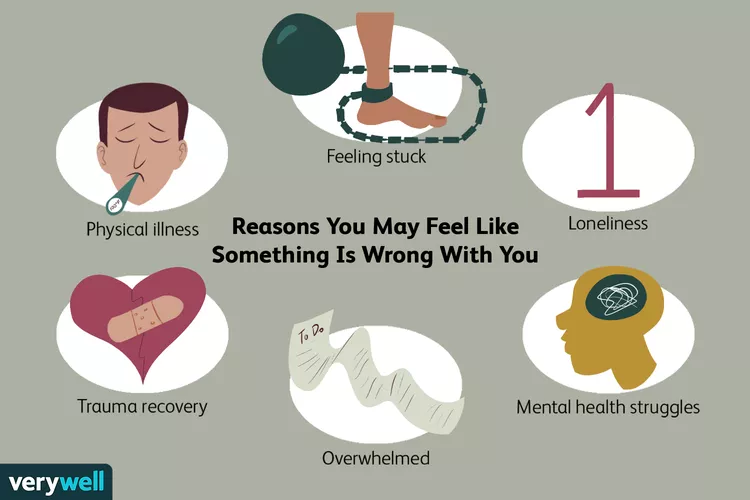
✅ Feeling Overwhelmed
Life can get busy with responsibilities like jobs, relationships, family, and money. When everything feels too much at once, it’s natural to start questioning yourself and wonder why you can’t cope. Feeling overwhelmed doesn’t mean you’re weak — it means you’re human.
✅ Feeling Stuck or Unsatisfied
Sometimes, you may feel like everyone else has their life figured out, while you’re standing still. You might be bored, unfulfilled, or unsure about what your future looks like. These feelings can trigger self-doubt.
✅ Loneliness or Relationship Struggles
Being unable to connect with others, losing important relationships, or feeling unsupported can make you feel like something is wrong with you. But many people experience this without having a deeper personal flaw.
✅ Stress at Work or School
High demands, difficult tasks, or pressure to perform can make anyone feel inadequate or confused about themselves. Problems at work don’t reflect your worth — they reflect a situation you’re trying to manage.
✅ Past Trauma or Big Life Changes
Traumatic experiences — like loss, abuse, or major life setbacks — can deeply affect your emotions and make you question your identity or value. This is a response to pain, not a sign of defect.
✅ Physical or Mental Health Factors
Unexpected health issues, chronic illness, vitamin deficiencies, or sleep problems can all influence your emotions and thoughts. Mental health conditions like depression or anxiety can make you feel like you’re not functioning normally, even if you are.
🌱 You Are Not Alone — These Feelings Are Common
Feeling like something is wrong doesn’t mean something is wrong with you at your core. Very often, it reflects:
🔹 stress
🔹 unresolved emotions
🔹 life transitions
🔹 burnout
🔹 psychological overload
All of these can make your mind spin and ask the big question: What’s wrong with me?
In many cases, these feelings reduce when you identify the cause and take action, rather than blaming yourself.
🛠 What You Can Do About These Feelings
Here are practical steps that many people find helpful:
💡 1️⃣ Make a Plan of Action
Instead of staying stuck in distress, break down the problems you’re facing and decide on small steps to deal with them. This gives you direction and control.
💡 2️⃣ Notice Your Body and Mind
Pay attention to how stress affects you physically (like fatigue or tension) and mentally (like confusion or worry). Awareness helps you respond rather than get overwhelmed.
💡 3️⃣ Schedule Time to Worry
Surprisingly, setting aside a specific “worry period” can help you confine anxious thoughts rather than letting them flood your whole day. This makes worries easier to manage.
💡 4️⃣ Practice Self-Care
Simple routines like walking, journaling, meditation, good sleep, and nourishing food can calm your mind and help you feel more grounded.
💡 5️⃣ Seek Support
If these feelings continue or interfere with your life, talking to a mental health professional can help you understand and cope with what’s going on rather than feeling alone with it.
💡 Final Thought
Asking “What is wrong with me?” doesn’t mean there’s something fundamentally wrong with you. It means you’re facing a challenge that feels bigger than your current ability to cope. These feelings are human, common, and manageable with understanding, care, and support.
Remember: you deserve clarity, compassion, and support — not self-blame.


