
Intro post:
Being married to a narcissistic partner can be emotionally draining, confusing, and isolating. Narcissistic Personality Disorder (NPD) is a psychological pattern in which a person constantly seeks admiration, lacks empathy, and prioritizes their own needs over others. In a marriage, these traits can create imbalance, control, and emotional harm over time.
Below are some key signs that may suggest your spouse has narcissistic tendencies.
???? 1. Constant Need for Admiration
A narcissistic spouse often craves attention and praise from you and others. They may need compliments constantly and feel upset or ignored if they don’t get enough validation.
???? 2. Lack of Empathy
One of the most telling traits of narcissism is a limited ability to understand or share your feelings. Your partner may dismiss your emotions, belittle your concerns, or make everything about themselves rather than listening to you.
???? 3. Manipulation and Control
A narcissistic spouse may use manipulation to control situations and maintain power. This can include gaslighting — making you doubt your perceptions or memories — and twisting facts to make themselves look right or innocent.
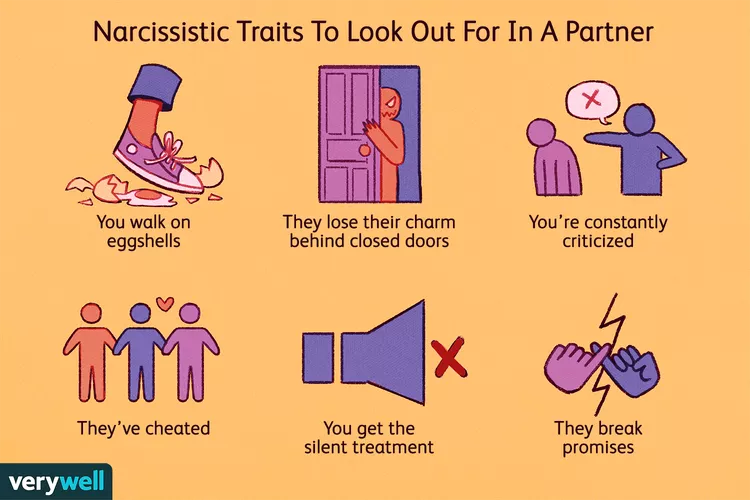
???? 4. Walking on Eggshells
You may feel like you’re constantly trying to avoid triggering your partner’s anger or mood swings. This unpredictability can make you anxious and hyper-aware of their reactions before you speak or act.
???? 5. Idealization Then Devaluation
Many narcissists initially charm you with affection, attention, and praise — a phase often called love-bombing. But once you’re deeply involved, that affection can suddenly fade, and your partner may become critical, distant, or devaluing.
????♀️ 6. Constant Criticism or Belittling
Your spouse might criticize your choices, appearance, or decisions — often in subtle ways like comparisons to others, sarcasm, or backhanded compliments. This can erode your self-confidence over time.
???? 7. Blaming Others and Avoiding Responsibility
Narcissists rarely take responsibility for their mistakes. Instead, they may deflect blame onto you or others and refuse to apologize sincerely, even when clearly in the wrong.
???? 8. Jealousy, Possessiveness, or Control
Some narcissistic partners show extreme jealousy or possessive behavior. They might try to isolate you from family and friends, criticize your loved ones, or react angrily if others get attention.
???? 9. Financial or Emotional Control
Narcissists often hold power in relationships by controlling finances, resources, or decisions. You may feel dependent, guilt-tripped, or unable to make choices freely in your marriage.
???? 10. Superiority Complex and Entitlement
Your spouse may believe they deserve special treatment, privileges, or attention — and expect you and others to cater to their needs without equal regard for your feelings or desires.
❤️ Emotional Impact of Narcissistic Behavior
Living with a narcissistic spouse doesn’t just create tension — it can harm your mental and emotional well-being. People in these relationships often experience:
- Emotional exhaustion
- Confusion and self-doubt
- Loss of confidence
- Feeling unheard or invisible
- Anxiety and stress
These effects can build gradually over time, leaving you feeling trapped or undervalued in your marriage.
???? What You Can Do If You Recognize These Patterns
If you see many of these signs in your relationship:
???? Talk to a Therapist or Counselor
A professional can help you understand the dynamic and support your mental health.
???? Set Clear Boundaries
Boundaries protect your emotional space and reduce harmful patterns.
???? Seek Support from Trusted Loved Ones
Talk to friends or family who can offer perspective and emotional support.
???? Prioritize Your Safety and Well-Being
If the behavior is harmful — emotionally or physically — consider discussing safe steps to protect yourself, including separation if needed.
Recognizing these patterns is the first step toward healing and making choices that honor your emotional health.


